Home
- Wound Care
Understanding Wounds: Signs, Risks & Care
Wound Care
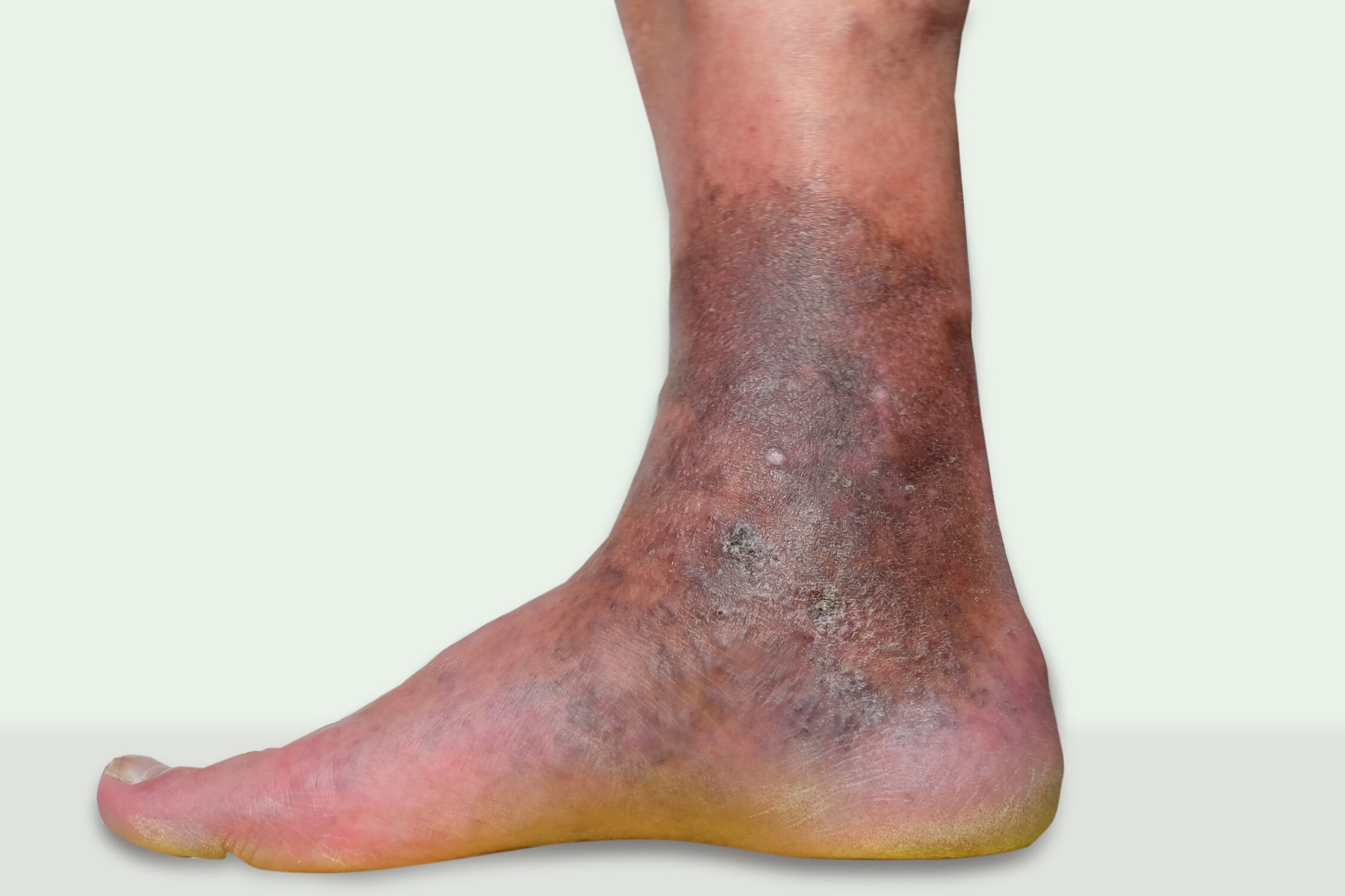
Why Do Wounds Heal Slowly in People with Diabetes?
Below are common questions patients ask in our clinic.
Frequently Asked Questions (FAQ)
Why do wounds heal slowly in diabetes?
Diabetes affects blood circulation, nerves, and the immune system. High blood sugar makes it harder for the body to repair skin and fight infections.
Does high blood sugar affect wound healing?
Yes. Poor sugar control:
- Slows skin repair
- Weakens the immune system
- Allows bacteria to grow faster
Good blood sugar control is essential for healing.
How does poor blood circulation affect wounds?
Diabetes can damage blood vessels, reducing blood flow—especially to the feet. Less blood means less oxygen and nutrients, which delays healing.
Why don’t I feel wounds on my feet?
Diabetes can cause nerve damage (diabetic neuropathy), reducing pain sensation. Small cuts or blisters may go unnoticed and worsen before you realize there’s a problem.
Why do diabetic wounds get infected easily?
In diabetes:
- White blood cells don’t work as effectively
- Bacteria thrive in high sugar levels
- Dry, cracked skin allows germs to enter easily
Infected wounds heal much slower.
Why are foot wounds common in diabetes?
Foot wounds occur due to:
- Reduced sensation
- Repeated pressure while walking
- Tight or ill-fitting footwear
Constant pressure prevents wounds from closing properly.
Can a small wound become serious?
Yes. Without proper care, a small wound can lead to:
- Foot ulcers
- Deep infection
- Gangrene
- Amputation
Early treatment greatly reduces these risks.
When should I see a doctor?
Seek medical attention if:
- A wound does not heal within 3–5 days
- There is redness, swelling, pus, or bad smell
- You notice black skin or increasing pain
- You have fever or signs of infection
How We Can Help?
Early assessment and proper wound care can prevent serious complications. Our clinic provides:
- Diabetic wound assessment
- Infection control
- Foot care advice
- Ongoing monitoring and prevention
Book an Appointment
📞 05-5419680 Contact us today to schedule an evaluation.
When Should You See a Wound Care Specialist?
Your Wound Is Not Improving After 1–2 Weeks
Most wounds show steady progress within 10–14 days. If your wound:
- Has not decreased in size
- Still looks red, swollen or inflamed
- Continues to drain heavily
- Appears unchanged
It may require advanced treatment.
The Wound Has Been Present for More Than 4 Weeks
A wound lasting longer than four weeks is considered a chronic wound. Common types include:
- Diabetic foot ulcers
- Pressure injuries (bedsores)
- Venous ulcers (varicose vein ulcers)
- Arterial ulcers
Chronic wounds rarely heal without specialized intervention.
Signs of Infection
Seek immediate medical care if you notice:
- Increasing redness spreading around the wound
- Swelling or warmth
- Thick yellow, green, or foul-smelling drainage
- Fever or chills
- Increased pain
- Red streaks extending from the wound
Early treatment can prevent serious complications.
You Have Diabetes or Circulation Problems
Patients with:
- Diabetes
- Peripheral artery disease
- Venous insufficiency
- A weakened immune system
Should seek evaluation for any wound that is slow to heal, especially wounds on the feet or legs.
The Wound Is Deep, Large or Exposes Tissue
You should see a wound care specialist if the wound:
- Exposes fat, muscle, or bone
- Is larger than ½ inch
- Was caused by trauma, surgery or a burn
- Contains black or dead tissue
These wounds often require advanced therapies.
The Wound Keeps Reopening
Recurrent wounds may indicate:
- Poor circulation
- Ongoing pressure
- Swelling
- Improper footwear or offloading
Identifying and correcting the underlying cause is essential.
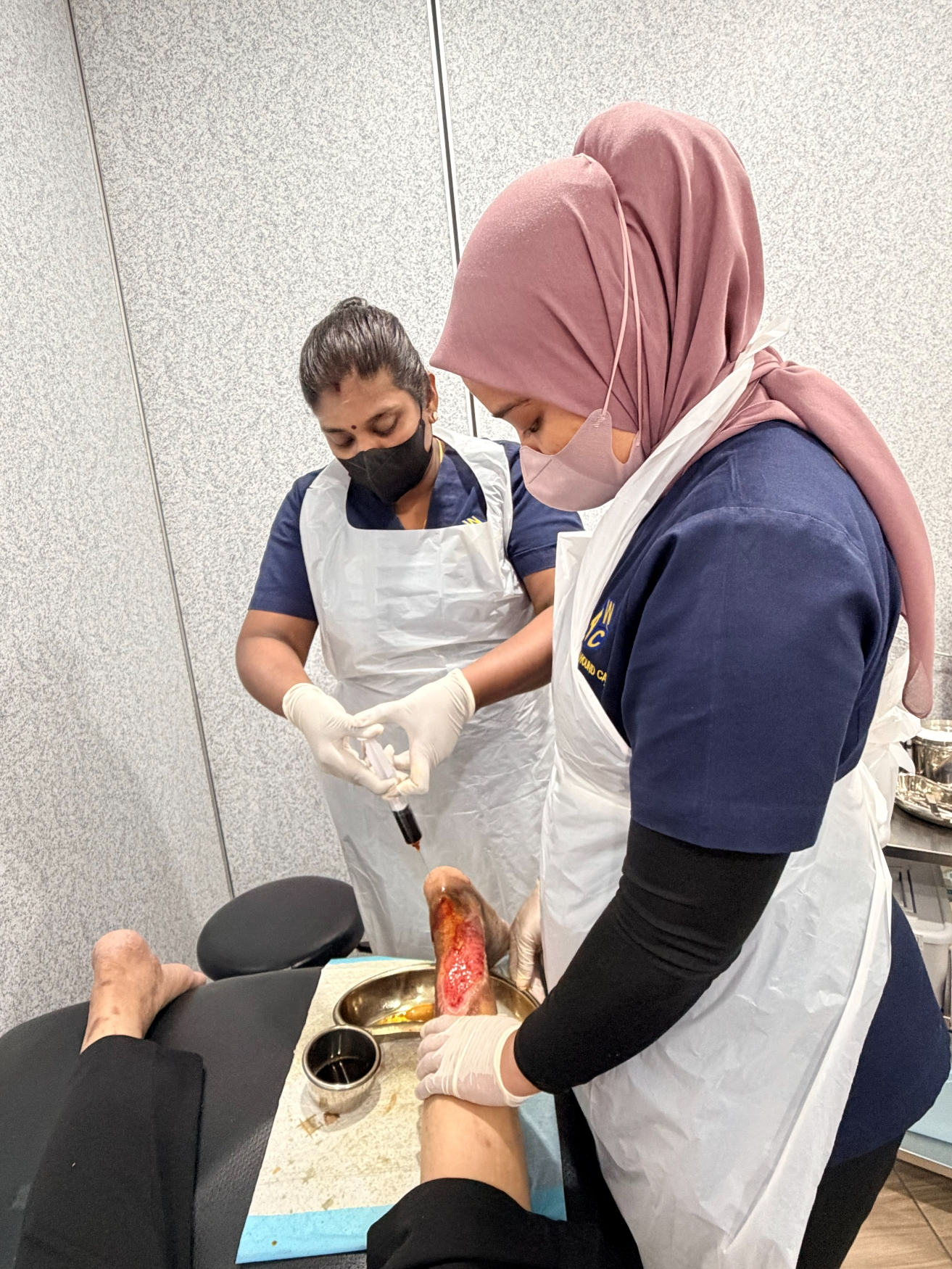
Why Choose Advance Wound Care?
- Comprehensive wound assessment
- Debridement procedures
- Advanced dressings
- Negative pressure wound therapy
- Infection management for wounds
- Hyperbaric oxygen therapy
- Personalized treatment plans
Don’t Wait to Get the Care You Need
Early treatment helps prevent complications and promotes faster recovery.
Contact our clinic today to schedule an evaluation.
FAQ: Nutrition and Wound Healing
Why is nutrition important for wound healing?
Nutrition helps your body repair itself by giving it the right building blocks to create new tissue, fight infections and speed up healing. A healthy diet can make a big difference in how quickly and well your wound heals.
What nutrients are important for healing?
- Protein: Helps repair and rebuild tissues.
- Good sources: Chicken, fish, eggs, beans, Greek yogurt and tofu.
- Vitamin C: Supports collagen which is needed for wound healing.
- Good sources: Oranges, kiwis, strawberries, bell peppers and broccoli.
- Zinc: Helps your body to make new cells and reduces infection risk.
- Good sources: Meat, seafood, beans, nuts and seeds.
- Vitamin A: Supports skin health and helps repair tissue.
- Good sources: Carrots, sweet potatoes, spinach and liver.
- Vitamin E: Reduces inflammation and helps protect cells.
- Good sources: Nuts, seeds, avocados and spinach.
- Omega-3s: Reduces swelling and improves blood flow to the wound.
- Good sources: Fatty fish like salmon, walnuts and flaxseeds.
- Iron: Helps carry oxygen to the wound to promote healing.
- Good sources: Red meat, spinach, beans and fortified cereals.
- Water: Keeps you hydrated, helps your body transport nutrients, and keeps your skin moist for healing.
- Good sources: Drink water, and eat fruits and veggies like watermelon and cucumbers.
What foods should I avoid?
- Sugary foods: They can slow healing and make infections more likely.
- Processed foods: These often have too much salt and unhealthy fats which can cause inflammation.
- Alcohol: It can slow healing, make you dehydrated and lower your immune system.
- Fried foods: These fats can slow down the healing process.
How can I get enough protein if I don't eat meat?
You can get protein from other sources like beans, lentils, tofu, eggs, nuts and dairy products.
How do I stay hydrated?
Drink plenty of water throughout the day. Foods like cucumbers, watermelon and oranges also help keep you hydrated.
What if I don’t have much of an appetite?
Try eating smaller meals more often or drink smoothies that combine fruits, vegetables and protein (like yogurt or protein powder).
Can I take supplements to help heal faster?
If you can’t get enough of certain nutrients from food, talk to the doctor about taking supplements for vitamins like C, zinc or protein.
What else can I do to speed up healing?
- Stop smoking as it slows down healing and reduces oxygen in your blood.
- Rest and follow your doctor’s advice about wound care.
- Manage stress well as it can interfere with your body’s ability to heal.
Should I follow any special diet while healing?
A healthy, balanced diet with plenty of fruits, vegetables, lean protein and healthy fats is ideal. Focus on foods rich in vitamins and minerals that support the healing process.
How Advance Wound Care Can Help You Heal Faster?
At Advance Wound Care, we provide a holistic, patient-centered approach designed to deliver comprehensive and effective wound management tailored to your individual needs.
Our Comprehensive Wound Care Services Include:
Detailed and comprehensive wound assessment
Blood sugar optimization and metabolic control
Proper wound cleansing and evidence-based dressing selection
Advanced wound dressings for complex and chronic wounds
Nutritional assessment and supplementation to support healing
Dietary review and lifestyle modification guidance
Wound debridement and minor surgical procedures
Pressure off-loading techniques to promote healing
Hyperbaric Oxygen Therapy (HBOT)
Growth factor therapy
Negative Pressure Wound Therapy (VAC)
Infection prevention, control, and management
Compression therapy for venous ulcers
Podiatric care and customized diabetic footwear
Foot care education and prevention strategies
Pain management related to wound care
Patient and caregiver education
Telemedicine follow-up for continuity of care
Home dressing services
Wound photography, documentation, and progress tracking
Care coordination and specialist referrals
Why Choose Advance Wound Care?
By combining advanced technology, evidence-based practices, and compassionate care, we aim to improve healing outcomes and enhance quality of life.
📞 Book your wound assessment today and take the first step toward better healing.
News